Driving on the Edge: How Edge Computing Powers Real-Time AI in Autonomous Vehicles

Introduction
The future of autonomous vehicles depends on split-second decisions. Edge computing is making this possible by processing data right where it’s generated — inside the car itself.
No more waiting for cloud servers. With edge computing, real-time AI can analyze surroundings instantly, making self-driving cars safer and more reliable than ever before.
The Challenge of Latency in Autonomous Driving
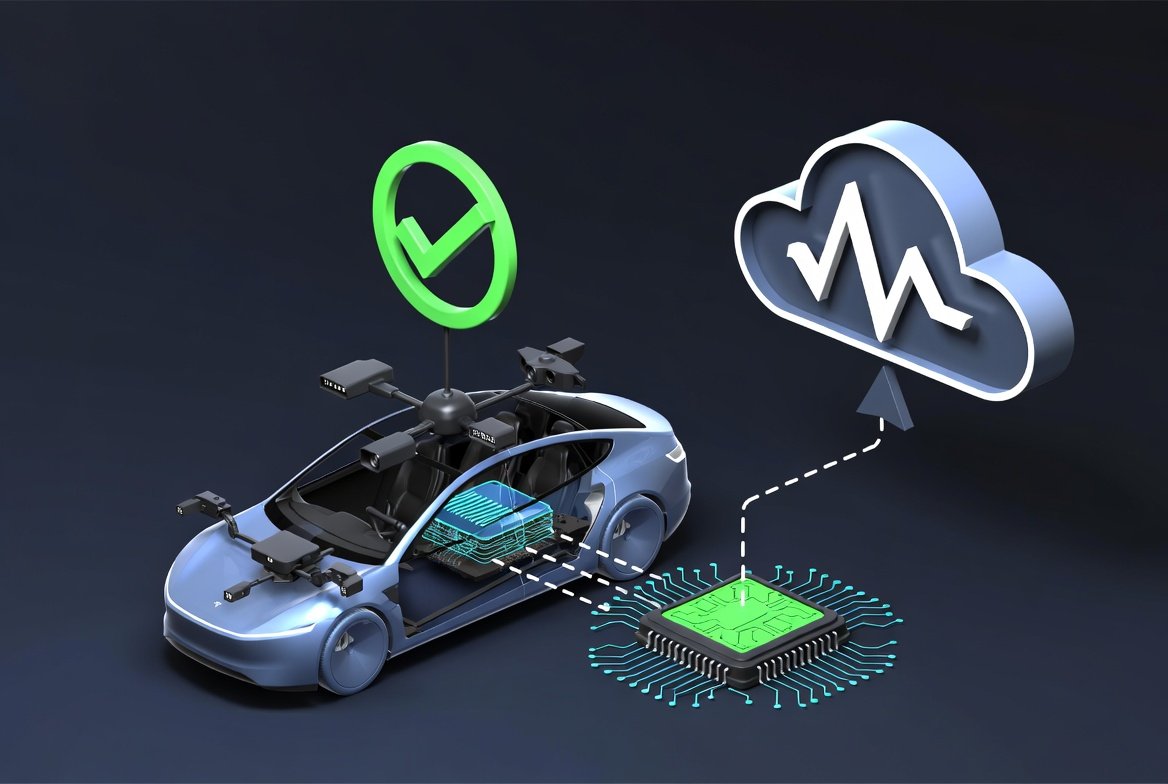
Autonomous vehicles generate massive amounts of data every second from cameras, LiDAR, radar, and sensors. Sending all this data to the cloud causes dangerous delays. This is where edge computing solves a critical problem by processing data locally.
What is Edge Computing?
Edge computing brings computation and data storage closer to the source of data — the vehicle. Instead of relying solely on distant cloud servers, powerful processors inside the car handle AI tasks in real time.
How Edge Computing Powers Real-Time AI
Edge computing enables AI models to make instant decisions about braking, steering, and obstacle avoidance. This low-latency processing is essential for safety in complex driving environments.
Key Benefits of Edge Computing in Autonomous Vehicles
Ultra-low latency for faster reactions
Improved reliability in poor network areas
Enhanced data privacy and security
Reduced bandwidth and cloud costs
Better performance in extreme conditions
Edge Computing vs Cloud Computing in Self-Driving Cars
While cloud computing is useful for long-term learning and map updates, edge computing handles the immediate, life-critical decisions that cloud systems simply cannot match in speed.

Real-World Examples of Edge Computing in Action
Companies like Tesla, Waymo, and Mobileye are heavily investing in edge computing hardware. Their vehicles use powerful onboard chips to run advanced AI models without constant cloud dependency.
The Role of 5G and Edge Computing Together
5G networks complement edge computing by enabling fast communication when needed, while edge processors handle the majority of real-time AI workloads directly in the vehicle.
Future of Edge Computing in Autonomous Vehicles
By 2026 and beyond, edge computing will become the standard. Expect more powerful onboard AI chips, better energy efficiency, and fully reliable Level 4 and Level 5 autonomous driving.
FAQ Section
What is edge computing in autonomous vehicles?
Edge computing processes data locally in the vehicle instead of sending it to the cloud, enabling real-time AI decisions.
Why is edge computing important for self-driving cars?
It reduces latency, improves safety, and allows instant reactions to road conditions.
How does edge computing work with AI?
AI models run directly on powerful onboard processors, analyzing sensor data in milliseconds.
Is edge computing more secure than cloud computing?
Yes. Keeping sensitive driving data local enhances privacy and reduces hacking risks.
Which companies lead in edge computing for vehicles?
Tesla, NVIDIA, Mobileye, and Intel are at the forefront of developing edge AI solutions for autonomous driving.
Edge computing is revolutionizing autonomous vehicles by delivering the speed and intelligence needed for safe self-driving technology. As this technology matures, it will accelerate the adoption of fully autonomous cars worldwide.
Ready to build cutting-edge solutions for the automotive or AI industry?
Contact Humai Webs today for expert web development, AI integration, and custom software solutions that drive innovation.