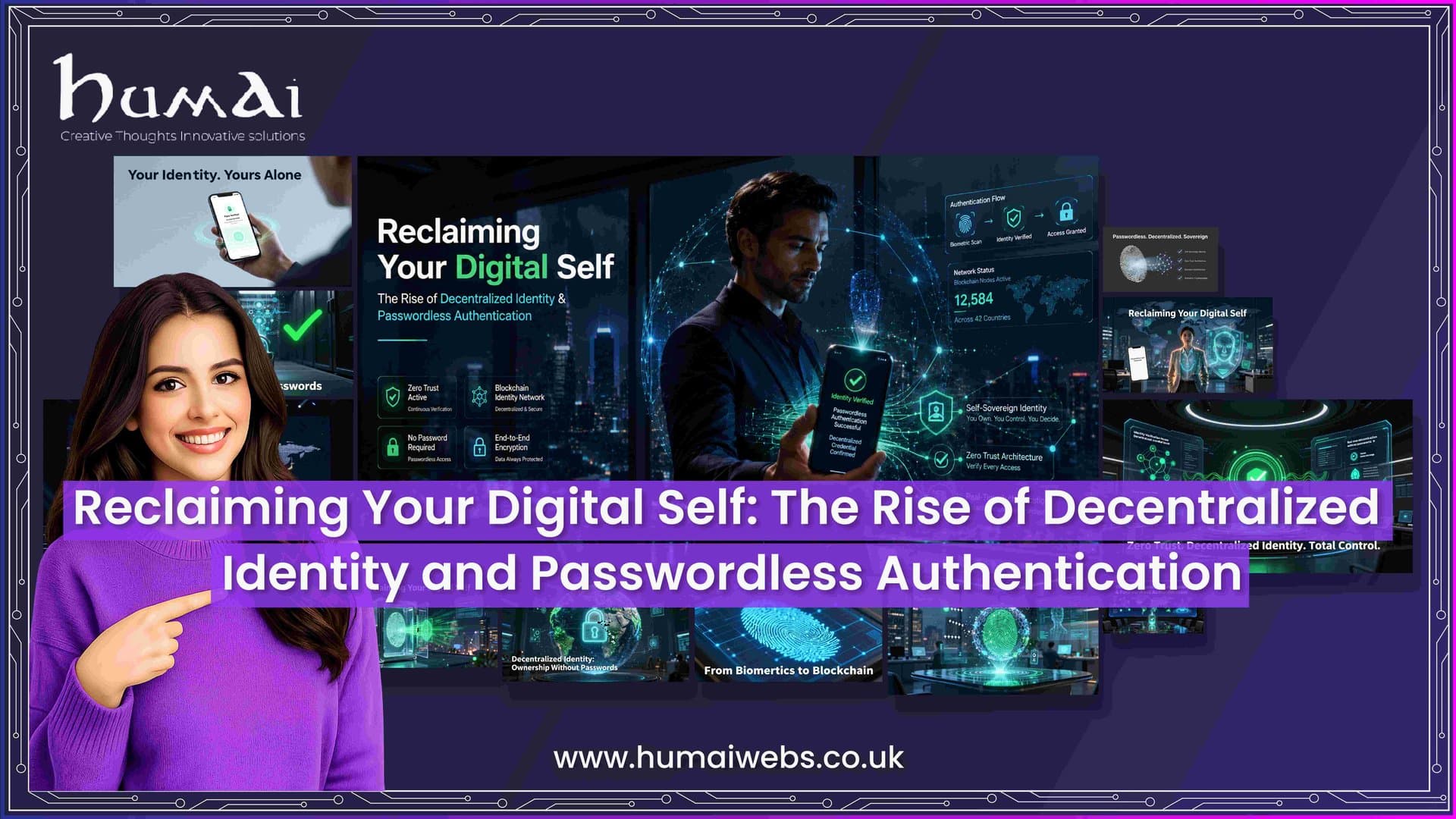
Reclaiming Your Digital Self: The Rise of Decentralized Identity and Passwordless Authentication
Introduction
Decentralized Identity is revolutionising how we prove who we are online. Instead of handing over personal data to big tech platforms, individuals are now taking back control through self-sovereign identity systems and passwordless authentication.
In 2026, the shift from centralized logins to decentralized identity is gaining serious momentum. This change promises greater privacy, security, and freedom in the digital world.
This guide explores the rise of decentralized identity, how passwordless authentication works alongside it, and why it matters for individuals and businesses alike.
The Problem with Traditional Digital Identity
Every day we create dozens of accounts, remember countless passwords, and surrender personal data to corporations. This system is broken — it leads to data breaches, identity theft, and loss of privacy.
What is Decentralized Identity (DID)?
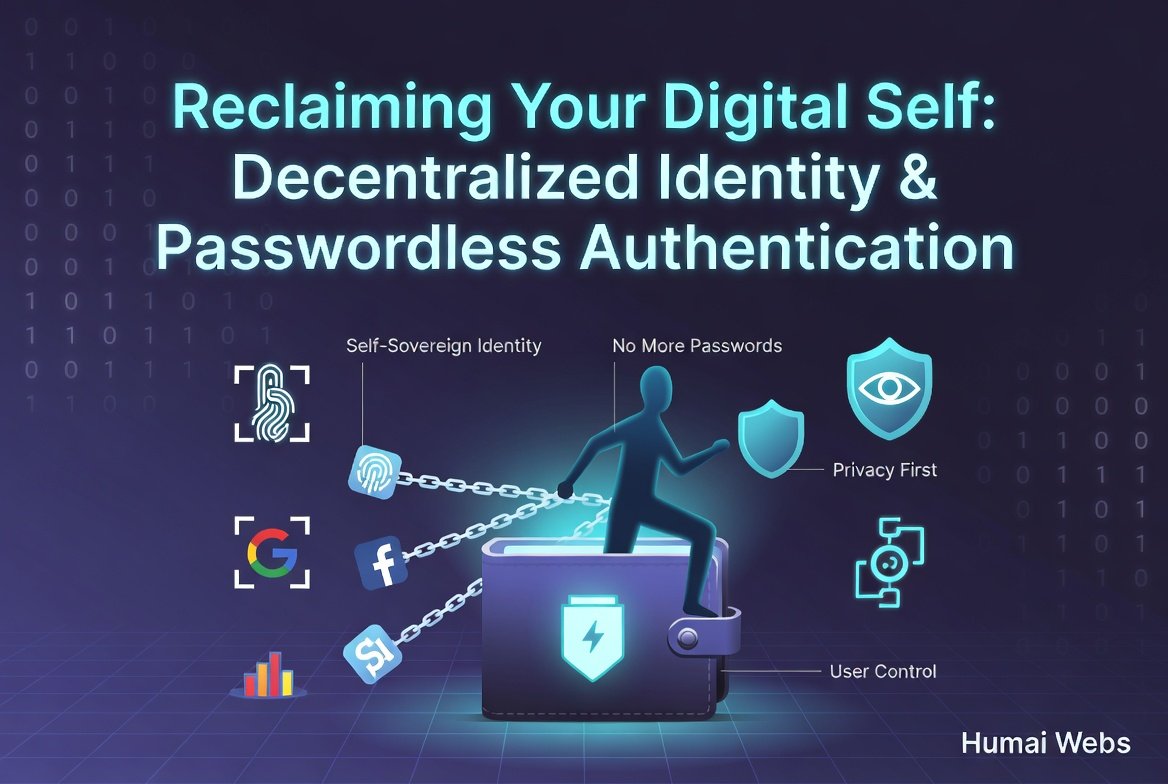
Decentralized Identity, also known as Self-Sovereign Identity (SSI), allows individuals to own and control their digital identity without relying on any central authority. Your identity data is stored in digital wallets and shared only with explicit consent.
How Passwordless Authentication Fits In
Passwordless methods like passkeys, biometrics, and magic links work seamlessly with decentralized identity. Together, they create a secure and user-friendly login experience without the risks of traditional passwords.
Key Benefits of Decentralized Identity
True Privacy and Data Control — You decide what to share and when.
Reduced Identity Theft Risk — No central database to hack.
Seamless Cross-Platform Login — One identity works across thousands of services.
Improved User Experience — No more forgotten passwords.
Regulatory Compliance — Easier alignment with GDPR and emerging data laws.
Core Technologies Powering Decentralized Identity
Verifiable Credentials (VCs)
Decentralized Identifiers (DIDs)
Blockchain and Distributed Ledger Technology
Web3 Wallets (MetaMask, WalletConnect, etc.)
Passkeys and Biometric Authentication
Decentralized Identity vs Centralized Identity
Centralized systems (like Google or Facebook login) give platforms control. Decentralized identity puts you in full control of your data and digital presence.
Real-World Use Cases in 2026
Secure online voting
Border control and digital passports
Decentralized finance (DeFi) KYC
Professional credential verification
Healthcare record management
FAQ Section
What is Decentralized Identity?
A system where individuals own and control their digital identity using cryptographic tools instead of depending on central authorities.
How does passwordless authentication relate to decentralized identity?
Passwordless methods (especially passkeys) serve as secure entry points to decentralized identity wallets and verifiable credentials.
Is decentralized identity secure?
Yes. It uses cryptography and blockchain technology, making it significantly more resistant to large-scale breaches.
Will governments support decentralized identity?
Many countries are already piloting digital identity wallets and self-sovereign identity frameworks.
When will decentralized identity become mainstream?
Adoption is accelerating rapidly in 2026, with major platforms and governments actively implementing solutions.
11. Conclusion with CTA
Decentralized Identity and passwordless authentication represent a fundamental shift in how we exist online — moving from platforms owning our data to individuals reclaiming their digital selves.
The future is passwordless, private, and truly user-controlled. Those who adopt these technologies early will enjoy better security, privacy, and convenience.
Ready to future-proof your digital presence with decentralized identity?
The team at Humai Webs helps businesses and individuals implement secure, modern identity solutions including decentralized identity systems and passwordless authentication.
Contact us today for a consultation on building privacy-first digital experiences.
Visit: Humai Webs