Tearing Down Cloud Silos: Master the Art of Seamless Multi-Cloud Networking

Introduction
Multi-cloud networking has become essential for modern businesses. Many organizations use multiple cloud providers, but cloud silos create barriers that slow down operations and increase costs.
These isolated environments lead to poor visibility, inconsistent security, and frustrating performance issues. The good news? You can tear down these silos with smart multi-cloud networking strategies.
At Humai Webs, we help businesses build seamless, secure, and scalable cloud networks. This guide shows you exactly how to master multi-cloud networking for better efficiency and growth in 2026 and beyond.
What Are Cloud Silos and Why Do They Hurt Your Business?
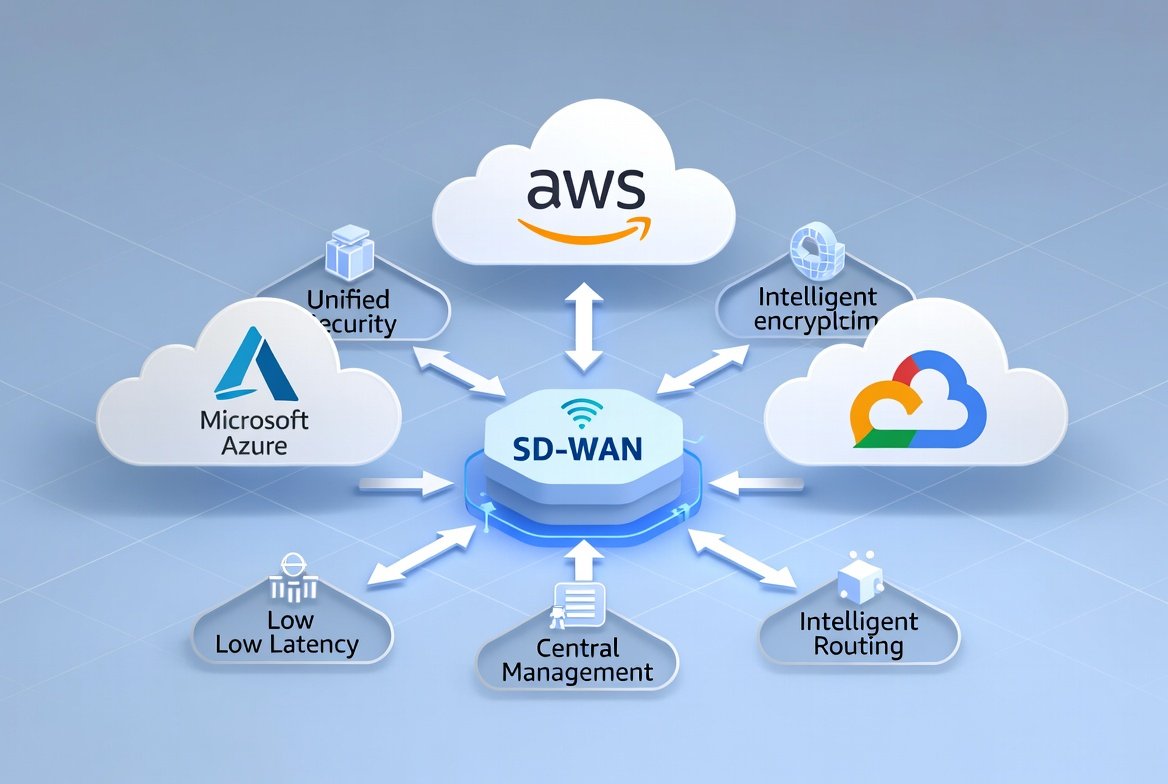
Cloud silos occur when different teams or applications run in isolated cloud environments without proper connection. One team might use AWS while another prefers Azure, but they cannot communicate smoothly.
These silos cause several problems:
Higher operational costs from duplicated efforts
Increased security risks due to inconsistent policies
Poor data visibility and slower decision-making
Performance bottlenecks and latency issues
Businesses lose agility and competitive edge when data and applications stay trapped in separate clouds.
Key Benefits of Effective Multi-Cloud Networking
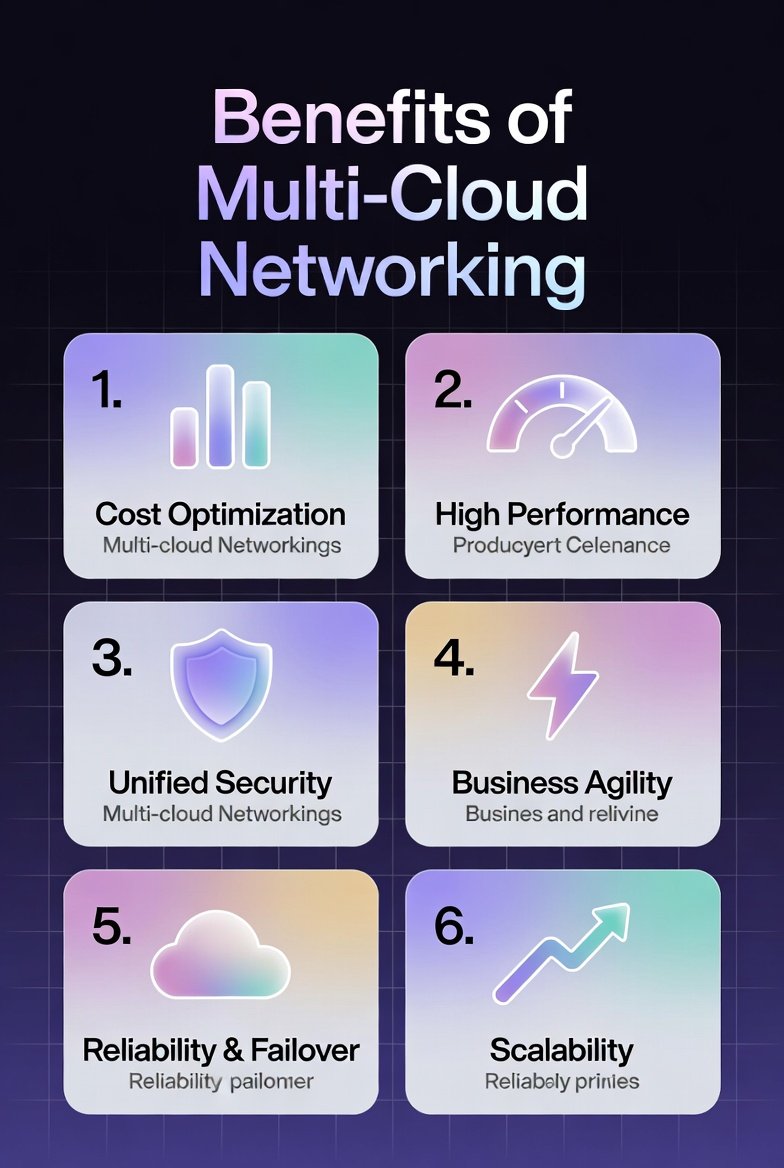
Implementing strong multi-cloud networking delivers powerful advantages:
Improved Flexibility: Choose the best services from any provider without lock-in.
Enhanced Reliability: Automatic failover between clouds reduces downtime.
Cost Optimization: Route traffic intelligently to avoid expensive egress fees.
Better Performance: Low-latency connections keep applications running fast.
Unified Security: Apply consistent policies across all environments.
Organizations using multi-cloud networking report faster innovation and easier scaling.
Common Challenges in Multi-Cloud Environments
Multi-cloud setups bring complexity. Different providers use unique tools, APIs, and networking models. Teams often struggle with:
Managing inconsistent security rules
Troubleshooting connectivity problems across platforms
Controlling costs from data transfer between clouds
Maintaining visibility into network traffic
Without a proper strategy, these challenges create new silos instead of breaking them down.
Proven Strategies to Master Multi-Cloud Networking
Here are practical steps to build seamless multi-cloud networking:
Assess Your Current Setup — Map all cloud resources and identify connection points.
Adopt Centralized Management — Use tools that provide a single view across providers.
Implement SD-WAN Solutions — Software-defined wide area networking simplifies traffic routing.
Use Interconnection Platforms — Services like Equinix Fabric offer private, high-speed links.
Standardize Policies — Apply uniform security and compliance rules everywhere.
Automate Where Possible — Reduce manual work with orchestration tools.
These strategies help tear down silos effectively.
Best Tools and Platforms for Multi-Cloud Networking
Several excellent solutions make multi-cloud networking easier:
Cisco solutions for consistent policy and visibility.
Alkira platform for simplified cloud connectivity.
Kentik for advanced observability and traffic analysis.
F5 Distributed Cloud for SaaS-based networking services.
SD-WAN providers for intelligent traffic steering.
Choose tools that match your scale and technical needs.
How to Implement Secure Multi-Cloud Connectivity
Security must remain strong when connecting multiple clouds. Use these approaches:
Deploy encrypted tunnels and private interconnects.
Implement zero-trust network access principles.
Centralize identity and access management (IAM).
Monitor traffic continuously with unified tools.
Consistent security policies across clouds reduce risks significantly.
Future Trends in Multi-Cloud Networking for 2026 and Beyond
AI-powered automation, edge computing integration, and advanced observability are shaping the future. Expect more vendor-neutral platforms and easier orchestration. Businesses that invest now will gain a major advantage.
What is multi-cloud networking?
Multi-cloud networking connects, secures, and manages network traffic across multiple cloud providers with consistent policies and visibility.
Why do cloud silos form in organizations?
Cloud silos form due to different teams choosing preferred providers, legacy systems, and lack of unified networking strategy.
How can businesses break down cloud silos?
Businesses can break down silos by using interconnection platforms, SD-WAN, centralized management tools, and standardized policies.
What are the main benefits of multi-cloud networking?
Key benefits include better performance, cost savings, improved reliability, unified security, and greater business agility.
Which tools are best for multi-cloud networking in 2026?
Popular options include Cisco, Alkira, Kentik, F5 Distributed Cloud, and various SD-WAN solutions.
10. Conclusion with CTA
Tearing down cloud silos through effective multi-cloud networking is no longer optional — it is essential for competitive businesses. You gain flexibility, security, and performance when you connect your clouds seamlessly.
Start your multi-cloud journey today. At Humai Webs, our experts design and implement custom multi-cloud networking solutions tailored to your needs.
Contact us now for a free consultation and discover how we can help you master seamless multi-cloud networking.