How Fast Should Your Website Be? (Speed Guide)
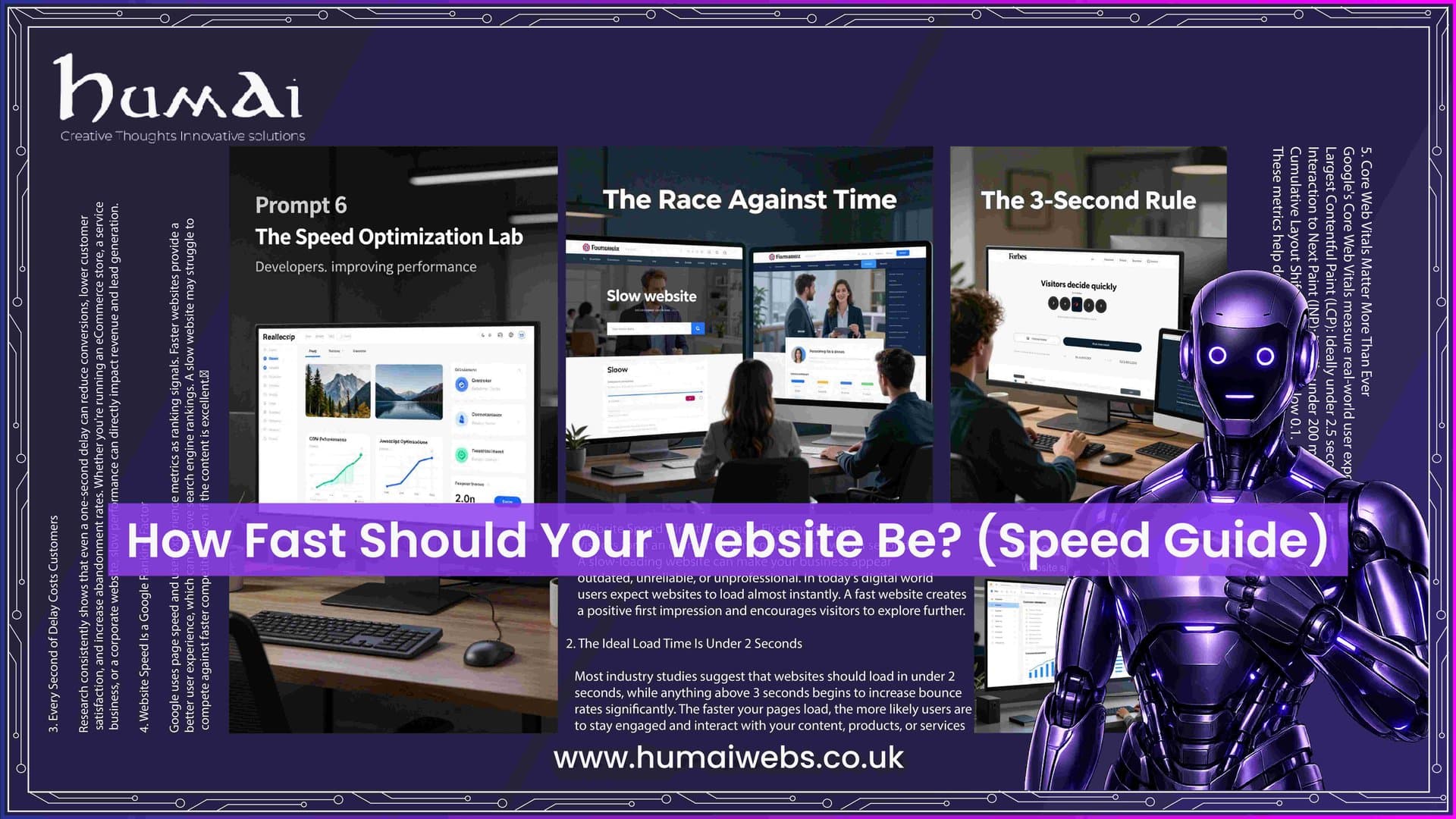
How Fast Should Your Website Be? (Complete Speed Guide 2026)
Introduction
Website speed is one of the most important factors for online success in 2026. A slow website frustrates visitors, hurts your Google rankings, and reduces conversions. But how fast should your website be exactly?
In this guide, you’ll learn the ideal loading times, what Google expects, and practical steps to make your site lightning-fast. Whether you run an e-commerce store or a service business, improving website speed can significantly boost your traffic and sales.
What is Website Speed and Why Does It Matter?
Website speed refers to how quickly your pages load and become interactive for users. It includes loading time, responsiveness, and visual stability.
Fast website speed matters because:
Google uses page speed as a ranking factor
Visitors leave slow sites instantly (53% leave if it takes over 3 seconds)
It directly impacts conversion rates and revenue
Mobile users are especially sensitive to delays
In 2026, with AI search and high user expectations, website speed is more critical than ever.
How Fast Should Your Website Be in 2026?
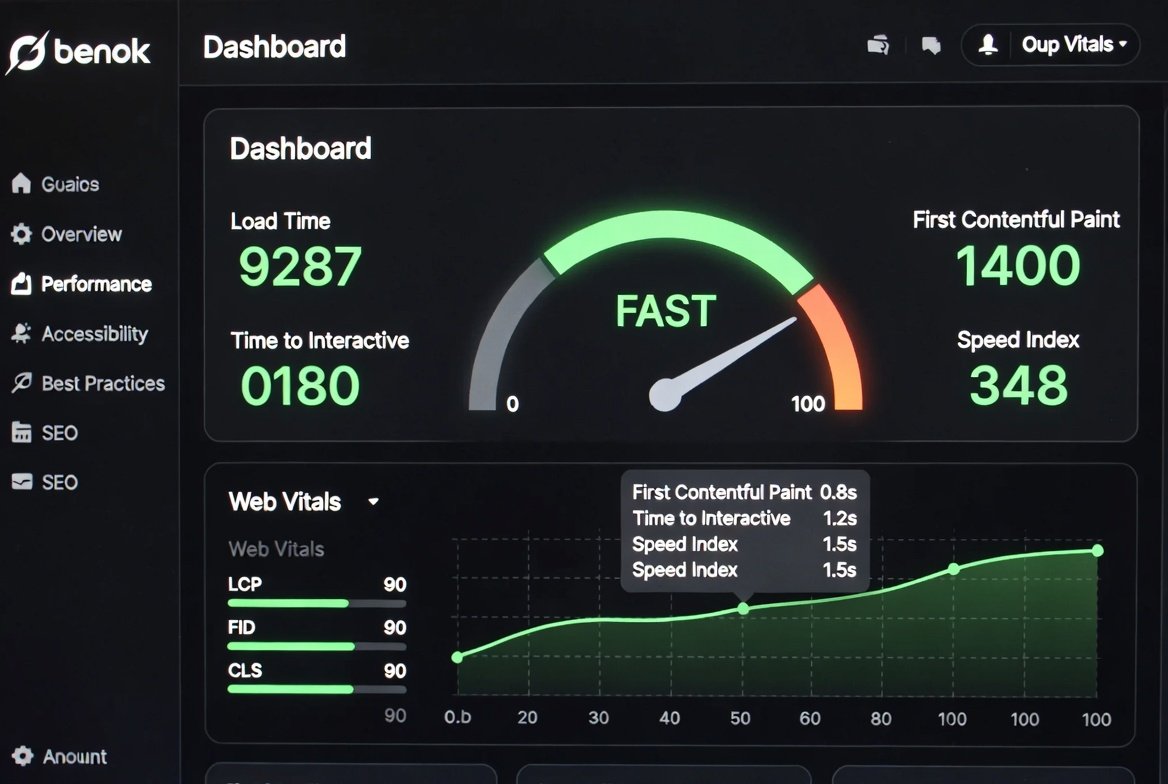
Here are the current performance benchmarks for excellent website speed:
Ideal Loading Time: Under 2 seconds
Good Loading Time: Under 3 seconds
Acceptable: 3–4 seconds (needs improvement)
Poor: Over 4 seconds (high bounce risk)
Core Web Vitals Targets (2026 Standards):
Largest Contentful Paint (LCP): Under 2.5 seconds
Interaction to Next Paint (INP): Under 200 milliseconds
Cumulative Layout Shift (CLS): Under 0.1
Achieving these scores gives your site a strong advantage in search results and user experience.
Key Factors That Affect Website Speed
Several elements influence how fast your website loads:
Large image files and unoptimized media
Too many plugins and heavy themes
Poor hosting quality
Unminified CSS, JavaScript, and HTML
Lack of browser caching
Third-party scripts and trackers
Identifying these issues is the first step toward faster website speed.
Top Ways to Improve Website Speed in 2026
Follow these proven strategies to boost your website speed:
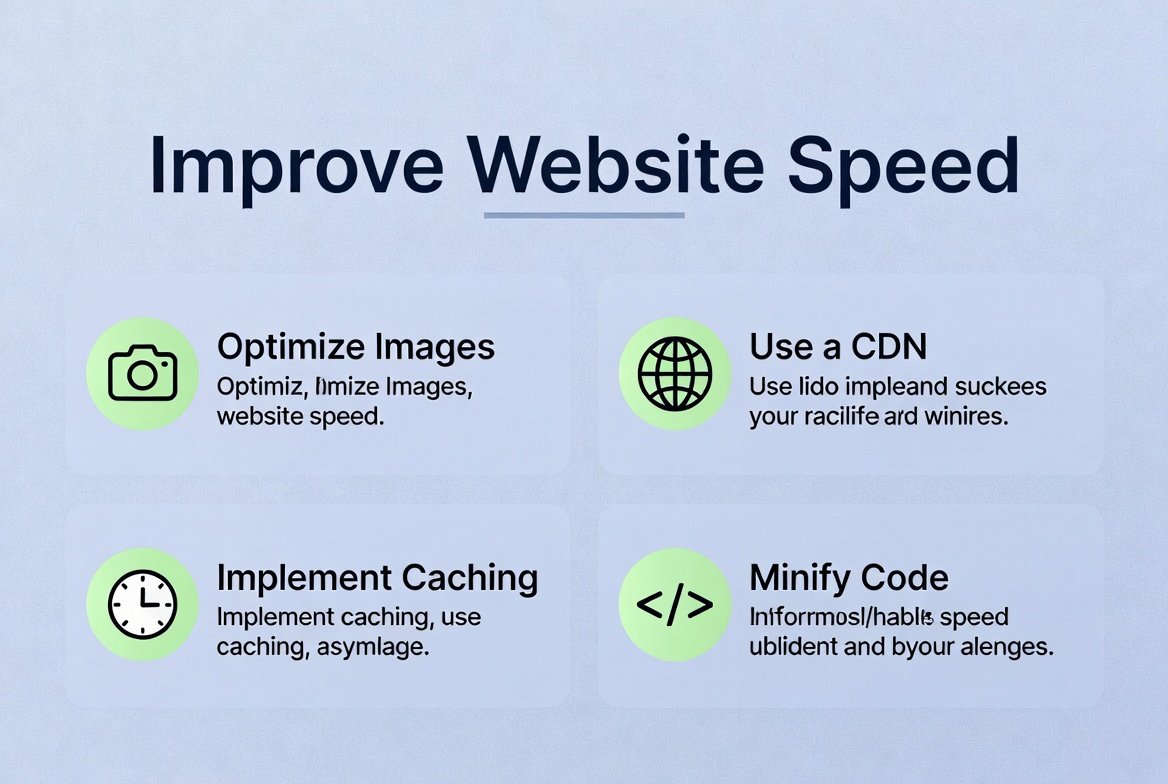
Choose Fast Hosting — Use premium hosting with SSD storage and CDN support.
Optimize Images — Compress images and use modern formats like WebP.
Enable Browser Caching — Store static files on visitors' browsers.
Minify CSS, JS & HTML — Remove unnecessary characters from code.
Use a Content Delivery Network (CDN) — Deliver content from servers closest to users.
Implement Lazy Loading — Load images and videos only when needed.
Tools to Test and Monitor Website Speed
Use these free and premium tools to measure your website speed:
Google PageSpeed Insights
GTmetrix
Google Search Console (Core Web Vitals report)
Lighthouse in Chrome DevTools
Test your site regularly and track improvements over time.
Common Website Speed Mistakes to Avoid
Using too many plugins on WordPress
Not compressing images before uploading
Ignoring mobile performance
Blocking render-critical resources
Poorly coded custom themes
Avoiding these mistakes helps maintain excellent website speed.
Website Speed and SEO in 2026
Fast website speed is a confirmed ranking factor. Sites with better Core Web Vitals often rank higher, especially in competitive niches.
Impact of Website Speed on Conversions
Every extra second of loading time can reduce conversions by 7% or more. For e-commerce businesses, fast website speed directly increases sales.
Future of Website Speed Optimization
In 2026 and beyond, expect more focus on AI-powered optimization, edge computing, and instant loading experiences. Businesses that prioritize website speed today will have a major advantage.
FAQ Section
How fast should my website load in 2026?
Your website should ideally load in under 2 seconds for the best user experience and SEO performance.
What is a good website speed score?
Aim for 90+ on Google PageSpeed Insights for both mobile and desktop.
Does website speed affect SEO?
Yes. Google considers website speed and Core Web Vitals important ranking signals in 2026.
How can I check my website speed?
Use free tools like Google PageSpeed Insights, GTmetrix, or WebPageTest to analyze your site’s performance.
Will improving website speed increase conversions?
Absolutely. Faster sites reduce bounce rates and improve user engagement, leading to higher conversions.
Website speed is a make-or-break factor for online success in 2026. A fast, smooth website keeps visitors happy, improves rankings, and drives more business.
Don’t let a slow website cost you customers and revenue. Start optimizing your site speed today.
Need expert help making your website lightning fast? Contact Humai Webs for professional website speed optimization services in the UK. Visit https://www.humaiwebs.co.uk/ and get a free performance audit.